
Rehabilitation
Rehabilitation plays an important role in the treatment of many spine conditions by helping reduce pain, restore mobility, improve strength, and prevent future injury. Whether you're recovering from an injury, managing a chronic condition, or preparing for or recovering from surgery, rehabilitation therapies are designed to support healing and help you return to your daily activities with confidence.
Your treatment plan may include a combination of physical therapy, manual therapies, and other supportive techniques tailored to your specific diagnosis, symptoms, and recovery goals.
Rehabilitation Options
Dry Needling
Acupuncture
Spinal Decompression Therapy
Therapeutic Ultrasound
Prehabilitation
Post-Surgical Physiotherapy
Dry Needling
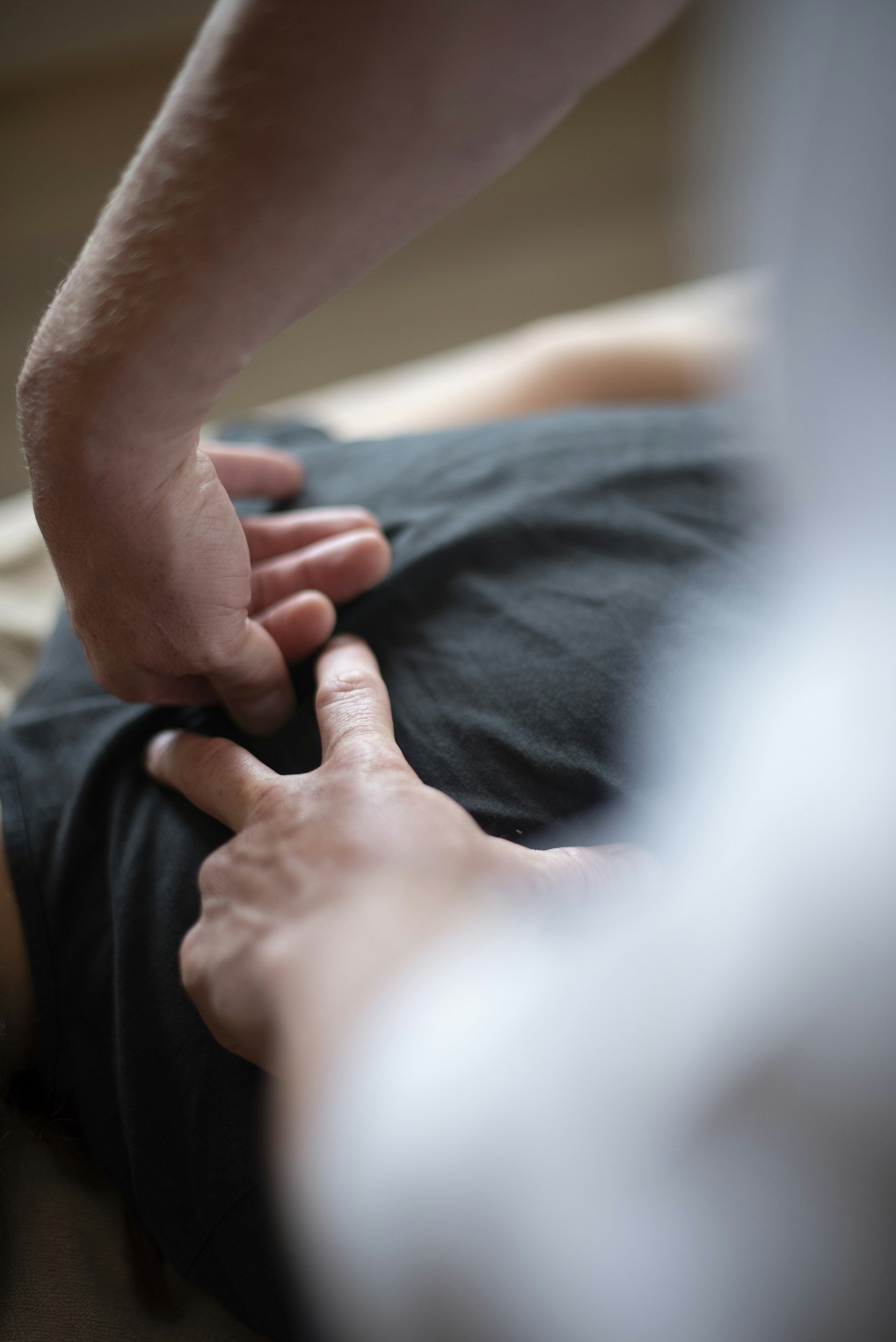
In our office this treatment is done by a physical medicine physician with specialized training. It treats musculoskeletal pain and movement issues, and acts as an adjunct with a larger pain management program. Thin sharp needles are used to puncture the skin and deeper tissue, muscle and connective tissue, to treat myofascial trigger points. The goal is to relieve pain and improve movement by causing microlesions, which trigger the body’s natural healing response. No medication is injected.
Acupuncture
This ancient therapeutic technique originates from Chinese medicine and is used to treat pain and restore physiological balance. At our clinic, acupuncture is done by a pain management physician. It serves as a complimentary, non surgical modality to modulate pain pathways, reduce muscle spasm, and enhance patient wellbeing in particular those with chronic neck or back pain, radiculopathy or post operative discomfort.The practise involves very fine needles inserted into specific anatomical points, acupoints, that correspond to areas where nerves, muscle, and connective tissue can be stimulated to influence local blood flow and neurochemical activity.This adjunct therapy serves to restore function, minimize pain and optimize overall patient outcomes.
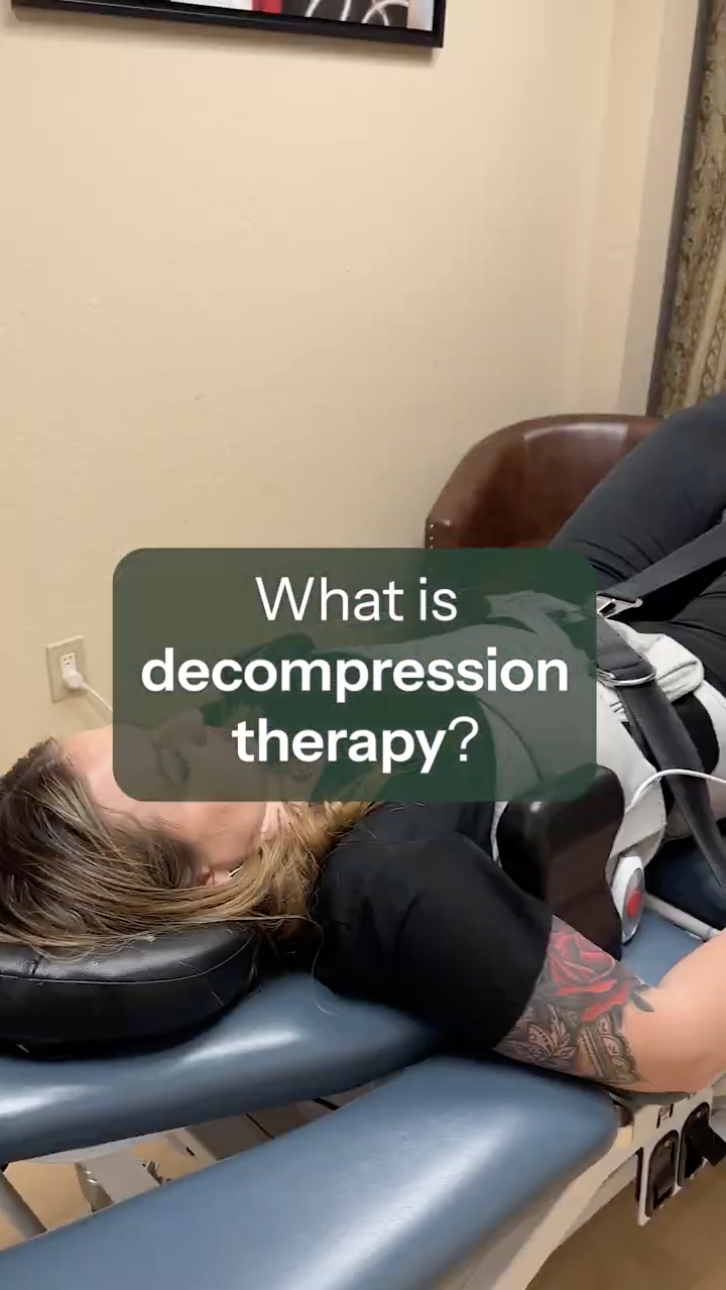
Decompression Therapy
Often referred to as spinal decompression therapy, is a non-surgical treatment aimed at relieving pain associated with disc issues, sciatica, and other spinal conditions. Here are some potential benefits:
Pain Relief: It can help alleviate chronic back pain, neck pain, and radicular pain by reducing pressure on spinal discs and nerves.
Improved Mobility: Patients often experience increased range of motion and improved flexibility in the spine.
Disc Hydration: The therapy may promote better hydration of spinal discs, potentially aiding in their health and function.
Reduced Need for Surgery: For some individuals, this therapy can be an alternative to invasive surgical procedures.
Enhanced Healing: By creating a negative pressure in the discs, it may help promote the healing of herniated or bulging discs.
Non-Invasive: It is a non-surgical option, making it less risky compared to surgical treatments.
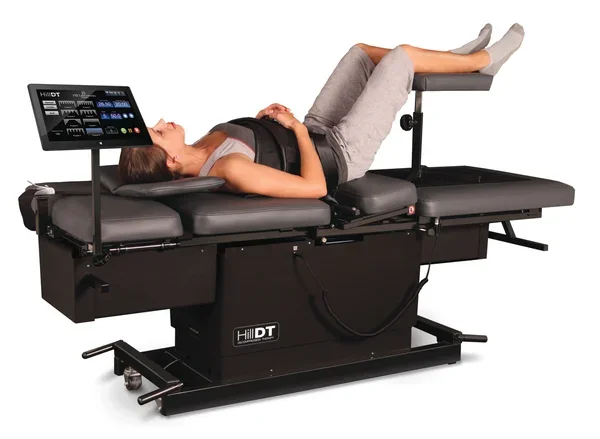
Decompression Table
Patients suffering from the chronic pain of bulging, degenerating, or herniated discs may benefit from treatment using a decompression table. This type of pain can manifest as back and neck, and even leg and arm pain. Using computerized sensors to perform stretching actions on the spine to promote healing can be uniquely effective.
Ultrasound Therapy
A therapeutic treatment that uses sound waves to promote healing and reduce pain in various musculoskeletal conditions. It utilizes high-frequency sound waves (typically between 1 and 3 MHz) that penetrate the skin and underlying tissues. It can produce thermal effects (increasing tissue temperature) and non-thermal effects (such as promoting cellular activity and tissue repair). The procedure is done with a handheld transducer to deliver ultrasound to the targeted area.
Benefits: UT therapy can reduce inflammation and promote relaxation in affected areas. It can also increase blood flow and encourage tissue regeneration. Many patients experience improved flexibility and range of motion following UT. And lastly it can help resolve post surgical adhesions and scar tissue.
Indications: It is used for muscle strains, bursitis and tendonitis, both chronic and acute. It aids in the recovery after surgery to address soft tissue inflammation.
Caveat: although the procedure is safe when done by a professional, it may not be safe for everyone (e.g.implants), and treatment may require multiple sessions for optimal results.
Prehabilitation
Why is prehabilitation important?
Rehab before surgery is crucial in developing endurance and strength in the muscles so when minimally invasive surgery occurs muscles can handle being retracted. Postsurgical rehab is a lot easier when previous surgical rehab has been provided. There is less chance to have muscle injuries when muscles are endurance.
Post Surgical Physio Therapy
Why have chiropractic care and physical therapy?
Research shows that chiropractic care with physical therapy was beneficial compared to just chiropractic care or just physical therapy. Chiropractic can help keep mobilization in joints that have decreased mobility. Chiropractic adjustments with exercise help to keep the joint functioning properly.
PATIENT EDUCATIONLearn More About Spinal Rehabilitation
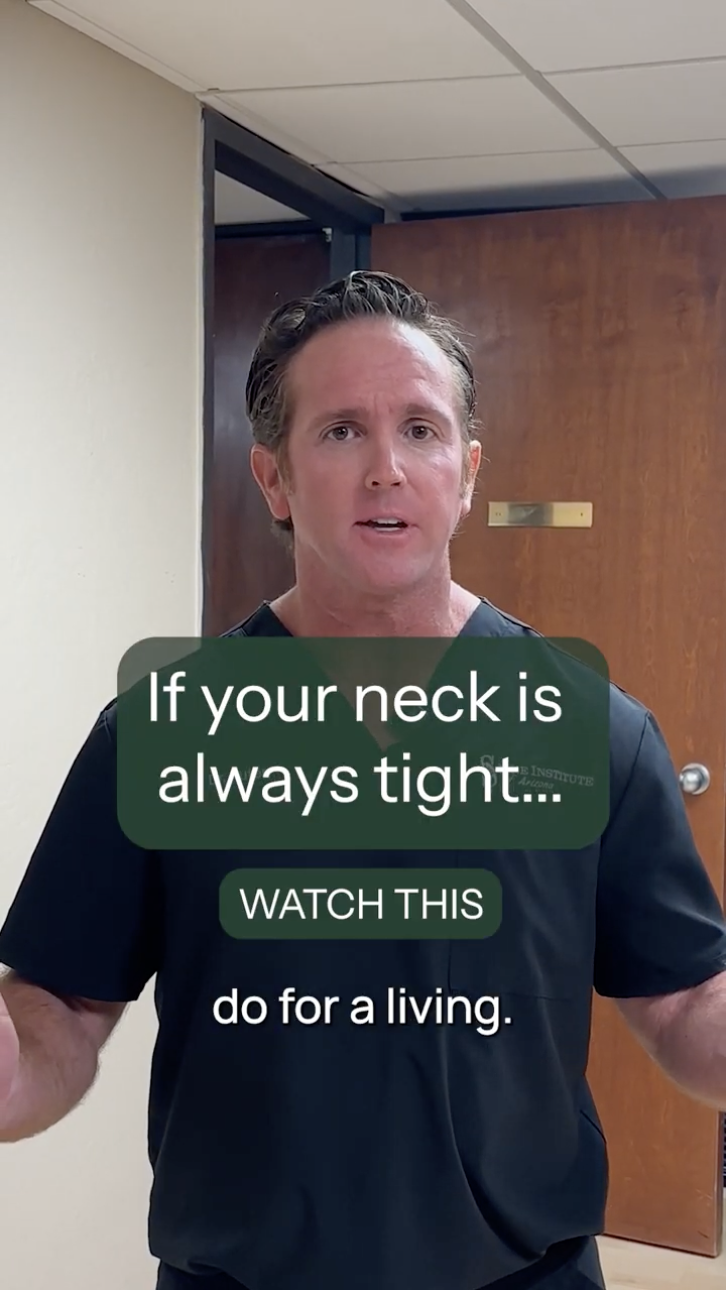
Hear from Dr. Auten as he shares practical tips for improving posture, preventing common musculoskeletal conditions, and explains how rehabilitation therapies can help reduce pain and support long-term spine health.
Ready to Take the Next Step?
Whether you're seeking a second opinion or exploring treatment options, our fellowship-trained spine specialists are here to help. Schedule a consultation to discuss your symptoms and learn about the treatment options that are right for you.