

Radiculopathy
Radiculopathy occurs when a spinal nerve root becomes irritated or compressed, causing pain, numbness, tingling, or weakness along the path of the affected nerve. It is most commonly caused by a herniated disc, bone spur, or narrowing of the opening where the nerve exits the spine (foraminal stenosis). The location of the affected nerve determines where symptoms occur. Cervical radiculopathy affects the neck, shoulders, arms, and hands, while lumbar radiculopathy—commonly known as sciatica—causes pain, numbness, or weakness that radiates through the lower back, buttock, and leg.
Treatment Options
Treatment for radiculopathy typically begins with conservative, non-surgical care aimed at relieving pain, reducing inflammation, and improving function. Many patients experience significant improvement without surgery.
Treatment options may include:
Activity modification to reduce irritation of the affected nerve
Physical therapy to improve strength, flexibility, and spinal stability
Anti-inflammatory medications or other pain-relieving medications
Epidural steroid injections to reduce inflammation around the affected nerve
If symptoms persist despite conservative treatment, or if neurological symptoms such as weakness continue to worsen, surgery may be recommended. Depending on the underlying cause, surgical treatment options may include:
Foraminotomy
Spinal fusion
What Are Epidural Steroid Injections?
Epidural steroid injections are a minimally invasive treatment used to reduce inflammation around irritated spinal nerves. By delivering anti-inflammatory medication directly to the affected area, these injections can help relieve pain, numbness, and tingling caused by conditions such as radiculopathy, herniated discs, and spinal stenosis.
For many patients, epidural steroid injections provide enough relief to improve daily function, participate more comfortably in physical therapy, or delay or avoid surgery.
✓ Outpatient procedure
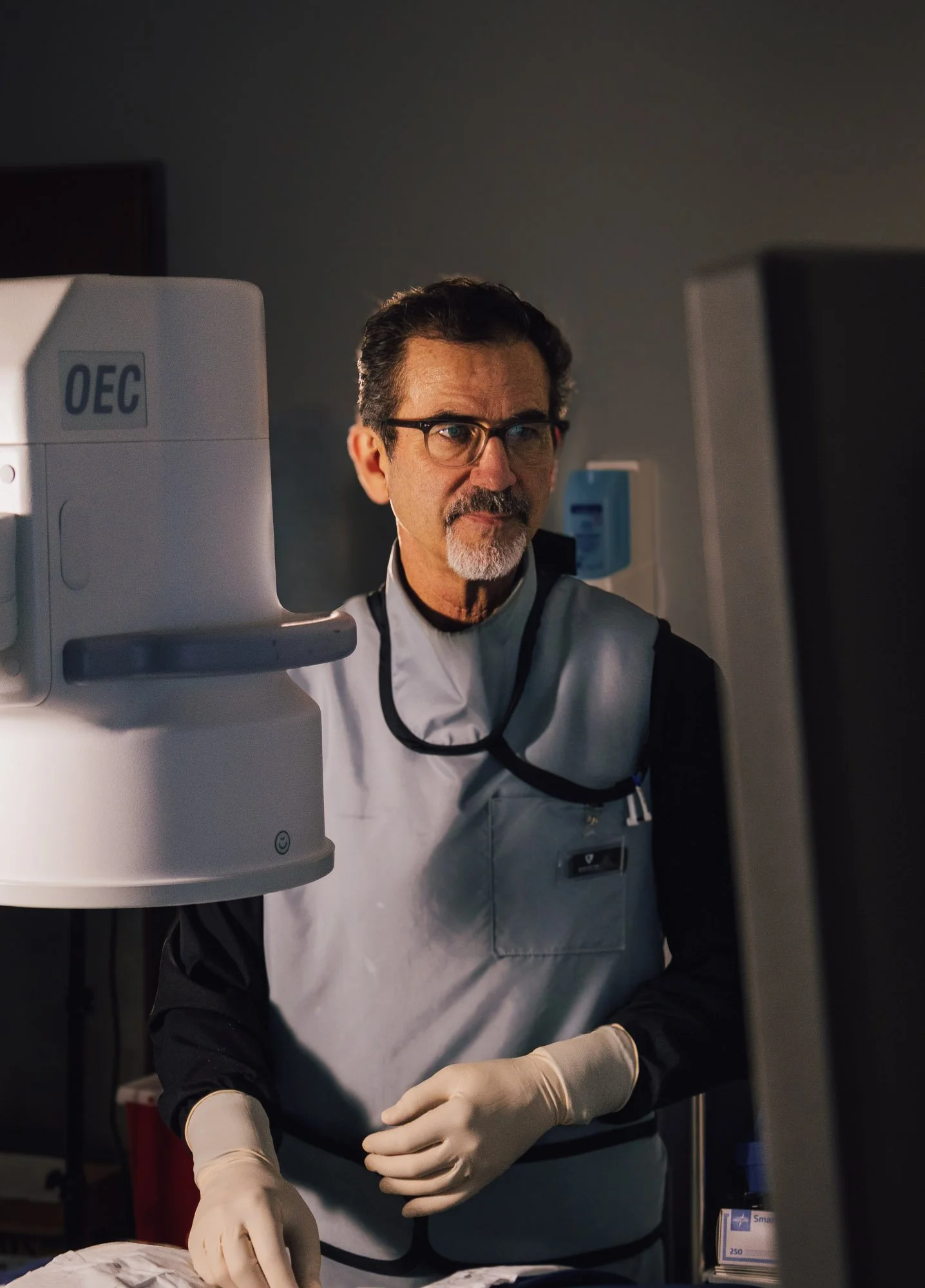
✓ Image-guided for precision
✓ Minimally invasive
✓ No general anesthesia required
✓ Typically completed in less than 30 minutes

Ready to Take the Next Step?
Whether you're seeking a second opinion or exploring treatment options, our fellowship-trained spine specialists are here to help. Schedule a consultation to discuss your symptoms and learn about the treatment options that are right for you.