

Minimally Invasive Direct Lateral Fusion (XLIF, DLIF)
Lateral lumbar interbody fusion (LLIF), also known as DLIF or XLIF, is a minimally invasive spinal fusion procedure that accesses the lumbar spine from the side of the body. Through a small incision in the flank, your surgeon removes the damaged disc material and places a bone graft-filled interbody cage (spacer) between the vertebrae to restore disc height, improve alignment, and promote fusion.
By approaching the spine from the side, LLIF can minimize disruption to the major back muscles and avoid direct access through the spinal canal. The goal of the procedure is to stabilize the spine, relieve symptoms caused by certain spinal conditions, and support long-term spinal alignment and function.
Who Is a Candidate?
Lateral lumbar interbody fusion (LLIF) may be an option for patients experiencing persistent symptoms caused by spinal degeneration, instability, or alignment issues that have not improved with non-surgical treatments, including:
Degenerative disc disease causing chronic lower back pain and loss of disc height
Spondylolisthesis (vertebral slippage) affecting spinal stability and alignment
Degenerative scoliosis causing spinal imbalance or deformity
Recurrent disc herniation leading to ongoing symptoms or instability
Spinal instability requiring stabilization and fusion
Persistent symptoms despite conservative treatments such as physical therapy, medications, or injections
Benefits
Lateral lumbar interbody fusion (LLIF) offers several potential benefits for appropriately selected patients, including:
Smaller incisions with less disruption to surrounding muscles and soft tissues
Reduced blood loss compared to traditional open fusion approaches
Less postoperative pain due to minimized muscle disruption and surgical trauma
Faster recovery compared to traditional open fusion surgery for many patients
Improved spinal alignment by restoring disc height and supporting proper lumbar lordosis
Reduced risk of certain complications due to a less invasive surgical approach and smaller surgical exposure
Preservation of posterior spinal structures by avoiding disruption of major back muscles and ligaments whenever possible
Road to Recovery
Recovery after lateral lumbar interbody fusion (LLIF) is gradual and focuses on restoring mobility while allowing the spine to heal and fuse properly. Many patients experience a faster recovery compared to traditional open fusion approaches due to the minimally invasive nature of the procedure.
What to Expect
Hospital stay: Typically 1–2 days, depending on the procedure and your overall health
Walking: Many patients are encouraged to begin walking the same day after surgery to support mobility and recovery
Physical therapy: May begin within days or weeks after surgery to improve strength, flexibility, and mobility
Return to activities: Light and sedentary activities may resume around 2–4 weeks, with a gradual return to heavier activities around 8–12 weeks as directed by your surgeon
Pain management: Medication and proper activity progression help manage discomfort during the early stages of recovery
Bone health: Maintaining healthy calcium and vitamin D levels may support the fusion process
Fusion timeline: Complete bone fusion typically occurs over 6–12 months as the vertebrae heal together
Ready to Take the Next Step?
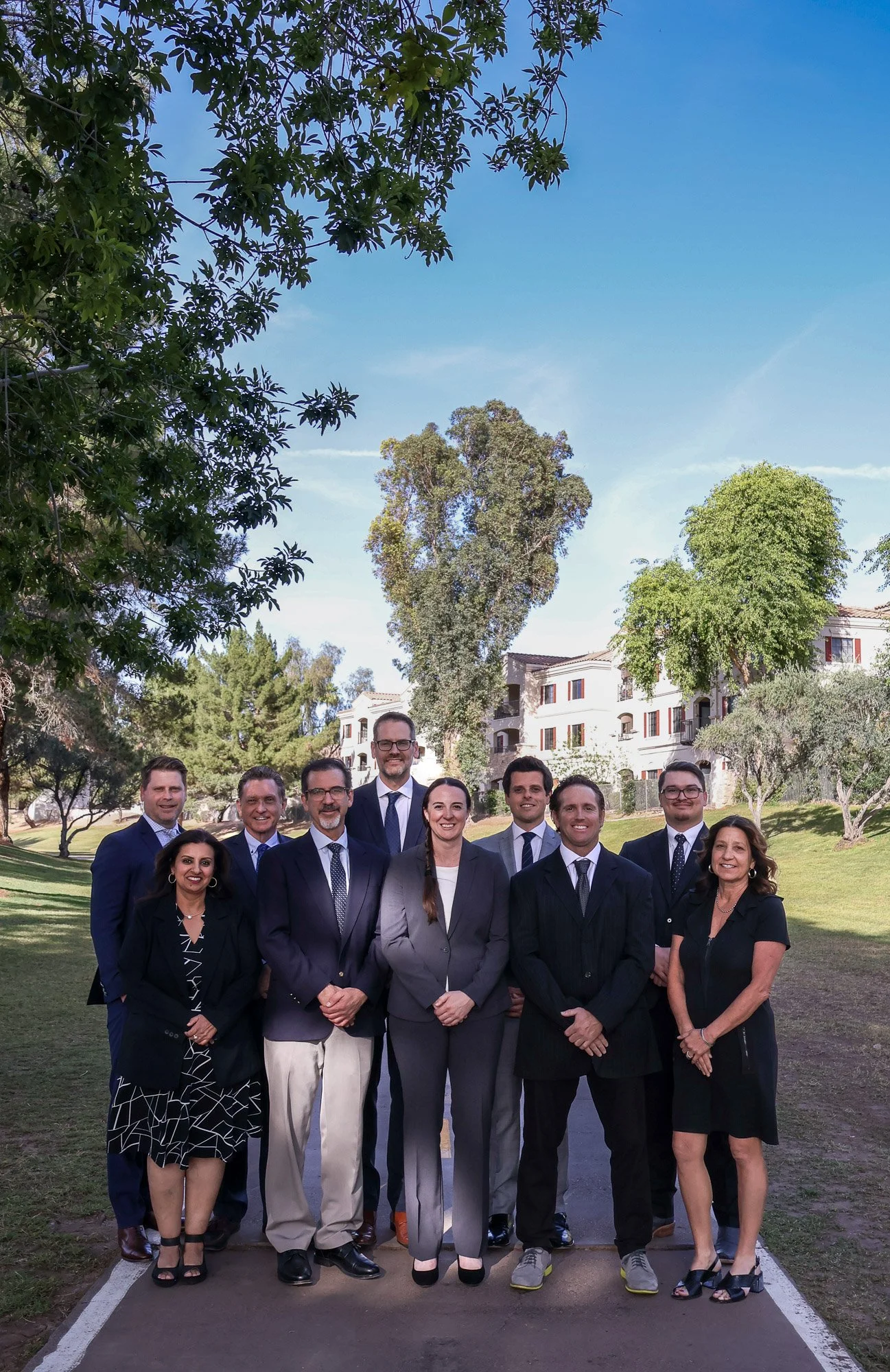
Whether you're seeking a second opinion or exploring treatment options, our fellowship-trained spine specialists are here to help. Schedule a consultation to discuss your symptoms and learn about the treatment options that are right for you.