

Minimally Invasive
Transforaminal Lumbar Interbody Fusion (TLIF)
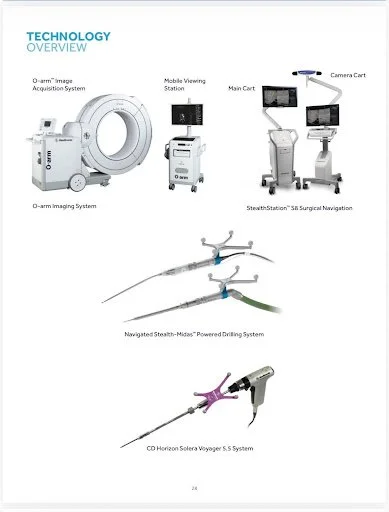
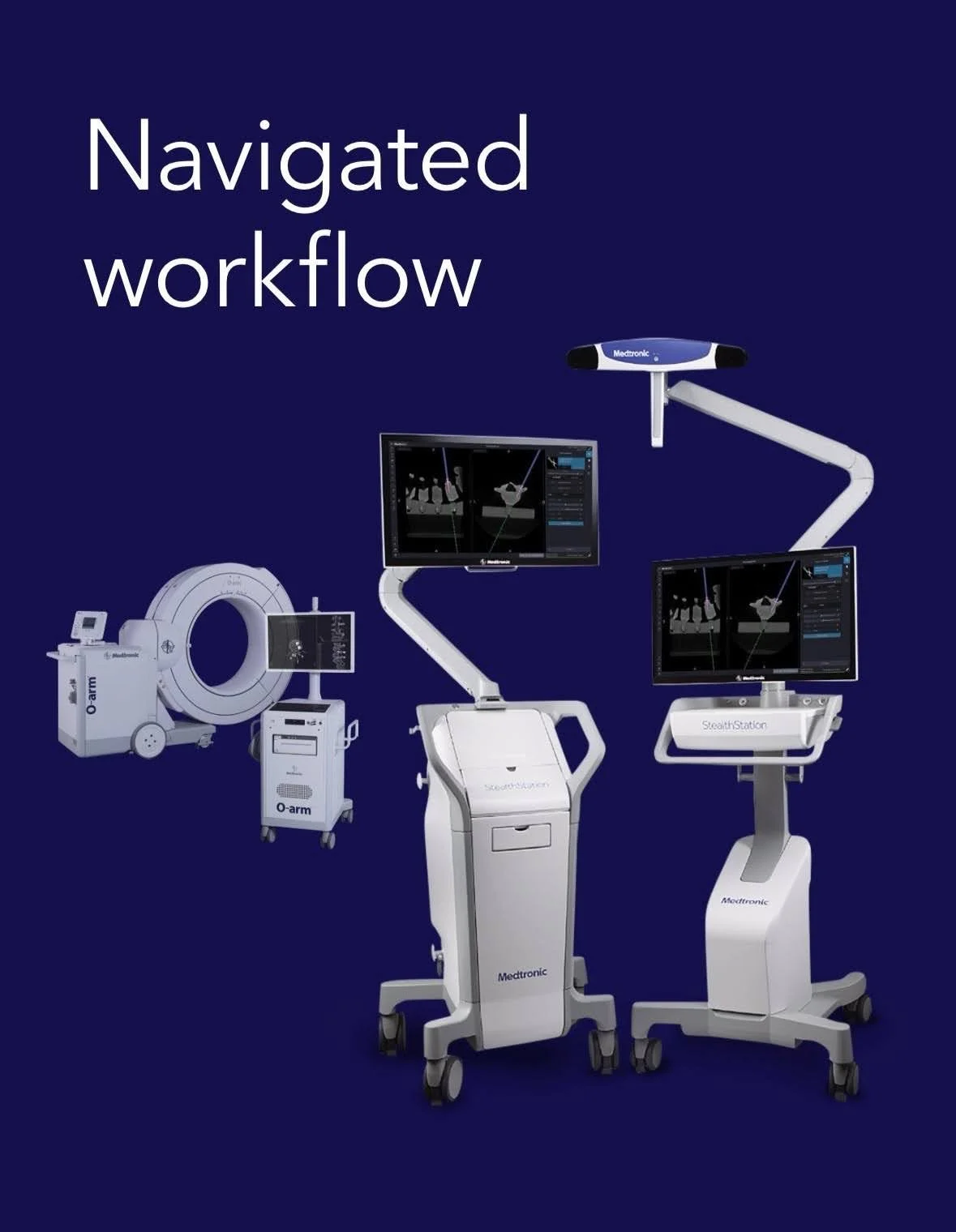
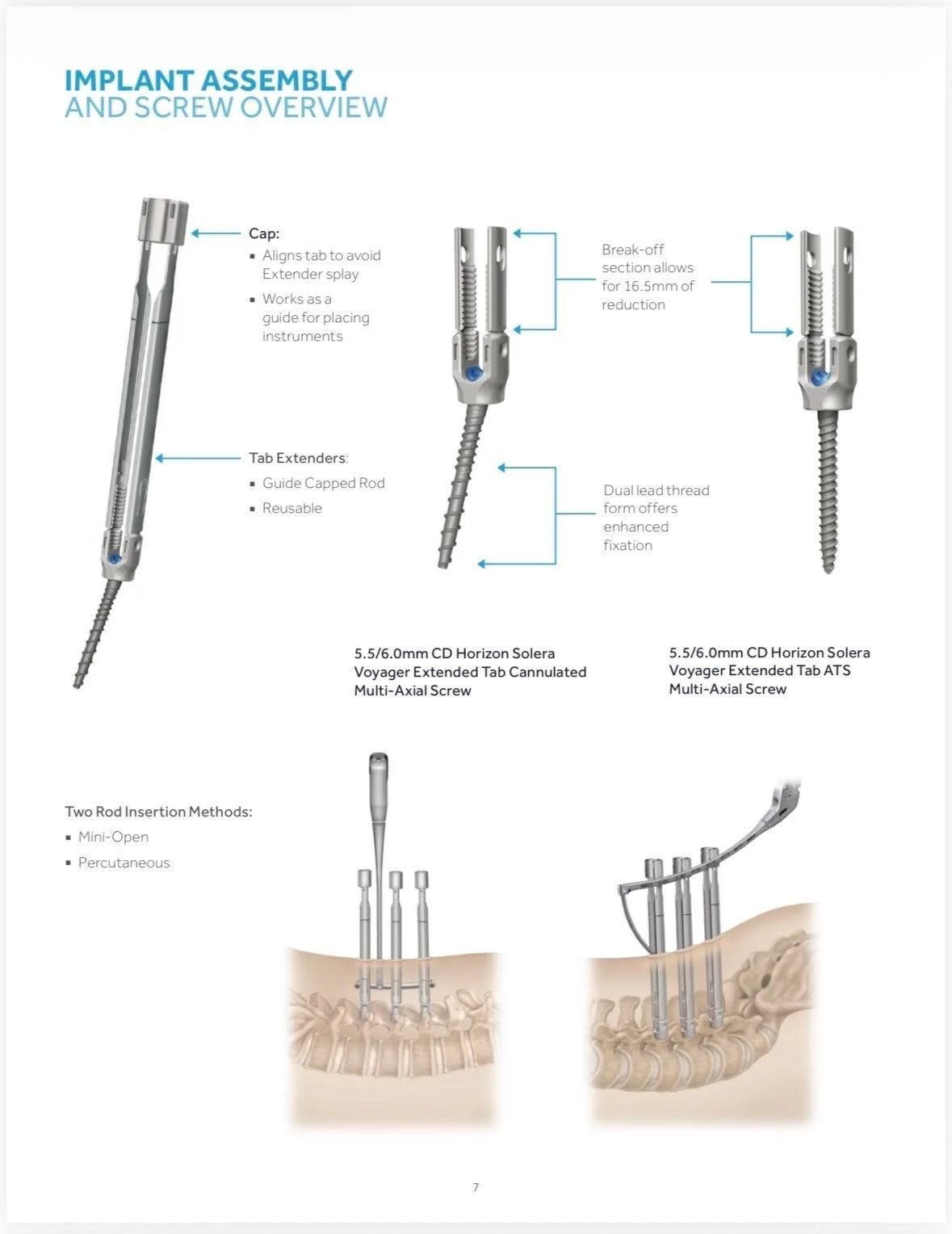
Minimally invasive transforaminal lumbar interbody fusion (TLIF) is a spinal fusion procedure used to stabilize the lumbar spine and treat certain causes of lower back pain, spinal instability, and nerve compression. Through a small incision in the back, your surgeon accesses the spine from the side, removes the damaged disc material, and places a bone graft and interbody cage (spacer) between the vertebrae to promote fusion.
The minimally invasive approach is designed to reduce disruption to surrounding muscles and tissues compared to traditional open fusion techniques. Screws and rods may also be placed to provide additional stability while the vertebrae heal and fuse together.
Who Is a Candidate?
Minimally invasive transforaminal lumbar interbody fusion (TLIF) may be an option for patients experiencing persistent symptoms caused by spinal instability, nerve compression, or degenerative changes that have not improved with non-surgical treatments, including:
Degenerative disc disease causing chronic lower back pain and reduced spinal stability
Spondylolisthesis (vertebral slippage) affecting spinal alignment and function
Spinal stenosis causing nerve compression, leg pain, numbness, or weakness
Herniated discs resulting in persistent nerve-related symptoms
Spinal instability requiring stabilization and fusion to restore support
Benefits
Minimally invasive transforaminal lumbar interbody fusion (TLIF) offers several potential benefits for appropriately selected patients, including:
Stabilizes the spine by reducing abnormal motion at damaged or unstable spinal levels
Relieves nerve compression by creating space for irritated or compressed spinal nerves
Restores disc height and spinal alignment to improve stability and support proper function
Reduces disruption to muscles and ligaments compared to traditional open posterior fusion approaches
Smaller incisions and less blood loss resulting in reduced surgical trauma
Less postoperative pain and a potentially faster recovery due to minimized tissue disruption
Preserves important spinal structures by maintaining surrounding bone, muscles, and ligaments whenever possible
Allows treatment of single or multiple spinal levels depending on the patient’s condition
Road to Recovery
Recovery after minimally invasive transforaminal lumbar interbody fusion (TLIF) is gradual and focuses on restoring mobility while allowing the spine to heal and fuse properly. Because the procedure uses a minimally invasive approach, many patients experience less muscle disruption and a faster recovery compared to traditional open fusion techniques. Your surgeon will provide personalized guidance throughout your recovery.
What to Expect
Hospital stay: Many patients return home the same day after surgery, while others may require an overnight stay depending on their overall health and recovery
Pain management: Some pain and discomfort are expected after surgery and can typically be managed with medication as you gradually transition off stronger pain medications
Walking: Light walking is encouraged within the first few days after surgery to promote mobility and recovery
Back brace: Some patients may be instructed to wear a brace to support the spine during the early stages of healing
Activity restrictions: Avoid prolonged sitting, bending, lifting, and twisting during the initial recovery period as directed by your surgeon
Physical therapy: May begin after a few weeks to improve strength, flexibility, and mobility
Fusion timeline: Complete fusion and healing typically takes 6–12 months as the vertebrae solidify
Ready to Take the Next Step?
Whether you're seeking a second opinion or exploring treatment options, our fellowship-trained spine specialists are here to help. Schedule a consultation to discuss your symptoms and learn about the treatment options that are right for you.