
Lumbar Spinal Stenosis
Lumbar spinal stenosis is a condition in which the spinal canal in the lower back narrows, placing pressure on the spinal nerves. This narrowing is most commonly caused by age-related changes such as disc degeneration, bulging discs, arthritis of the facet joints, bone spurs, or thickened spinal ligaments. As the space around the nerves becomes smaller, symptoms can gradually develop and worsen over time.
Common symptoms include lower back pain that radiates into the buttocks or legs, numbness, tingling, or weakness in the legs, and pain that worsens with standing or walking but improves when sitting or leaning forward (known as neurogenic claudication). In more advanced cases, patients may experience balance difficulties or, rarely, changes in bowel or bladder function, which require immediate medical attention.

Non-Surgical Management
Many patients with lumbar spinal stenosis find relief through conservative treatments designed to reduce pain, improve mobility, and strengthen the muscles that support the spine. Depending on your symptoms, your treatment plan may include:
Anti-inflammatory and pain-relieving medications to help manage discomfort
Physical therapy to improve flexibility, strength, and spinal stability
Stretching and strengthening exercises to support the muscles surrounding the spine
Posture training to reduce pressure on the spinal nerves
Low-impact aerobic exercise to improve circulation and overall mobility
Core stabilization exercises to better support the spine
Epidural steroid injections to reduce inflammation around irritated nerves and provide temporary pain relief
Surgical Management
When non-surgical treatments are no longer effective, surgery may be recommended to relieve pressure on the spinal nerves and restore quality of life. The most appropriate procedure depends on your symptoms, imaging findings, and overall spinal health. Surgical options may include:
Minimally Invasive Lumbar Laminectomy – Removes pressure from the spinal nerves by creating more space within the spinal canal.
Lumbar Decompression Surgery – Relieves nerve compression caused by spinal stenosis or other degenerative conditions.
Spinal Fusion Surgery – Stabilizes the spine when instability or deformity is contributing to symptoms.
The most appropriate surgical treatment depends on the underlying cause and severity of your condition. For many patients, minimally invasive lumbar laminectomy offers an effective alternative to traditional open surgery, with smaller incisions, less tissue disruption, and a quicker recovery.
What Are Epidural Steroid Injections?
Epidural steroid injections are a minimally invasive treatment used to reduce inflammation around irritated spinal nerves. By delivering anti-inflammatory medication directly to the affected area, these injections can help relieve pain, numbness, and tingling caused by conditions such as radiculopathy, herniated discs, and spinal stenosis.
For many patients, epidural steroid injections provide enough relief to improve daily function, participate more comfortably in physical therapy, or delay or avoid surgery.
✓ Outpatient procedure
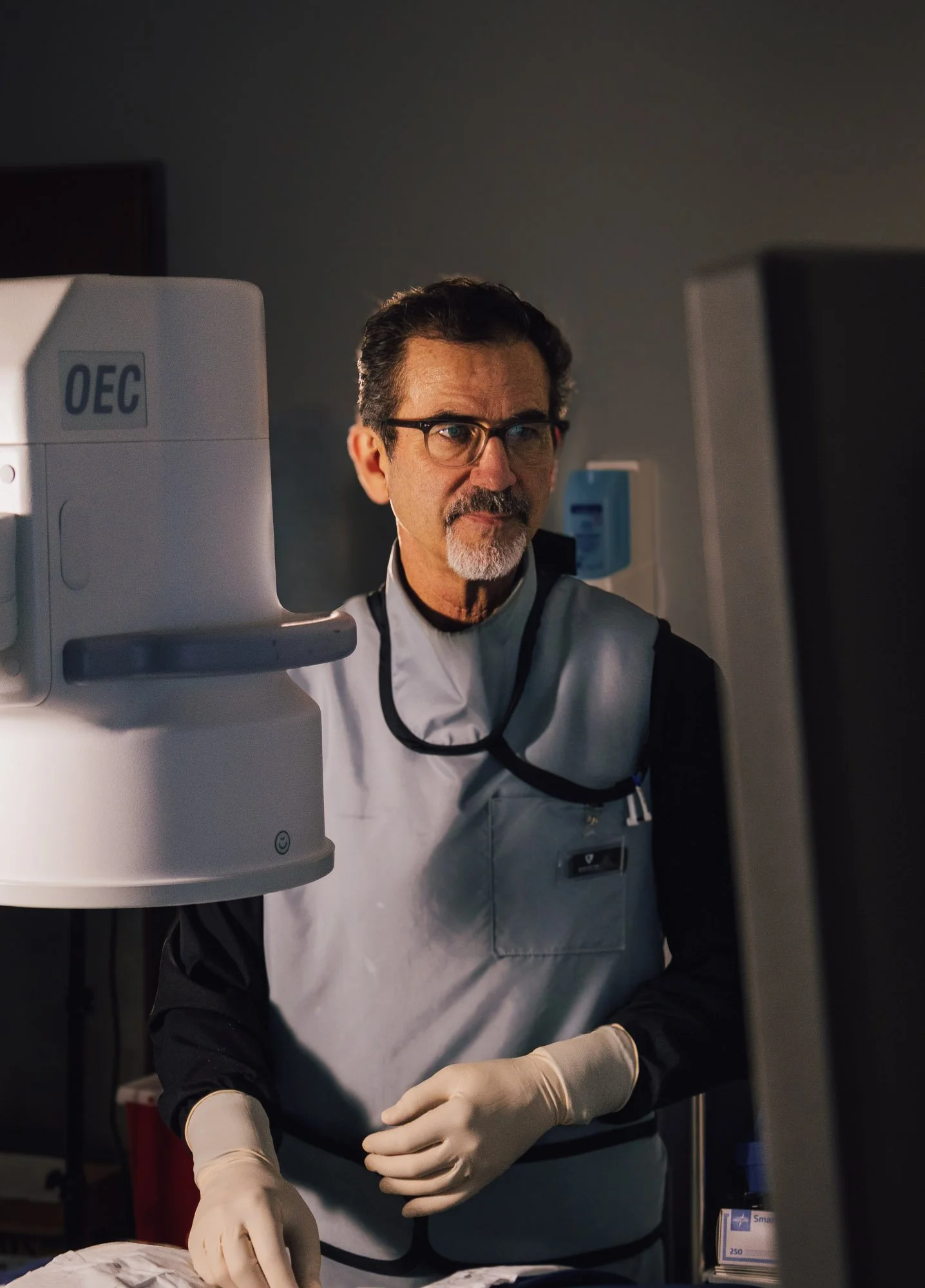
✓ Image-guided for precision
✓ Minimally invasive
✓ No general anesthesia required
✓ Typically completed in less than 30 minutes

Ready to Take the Next Step?
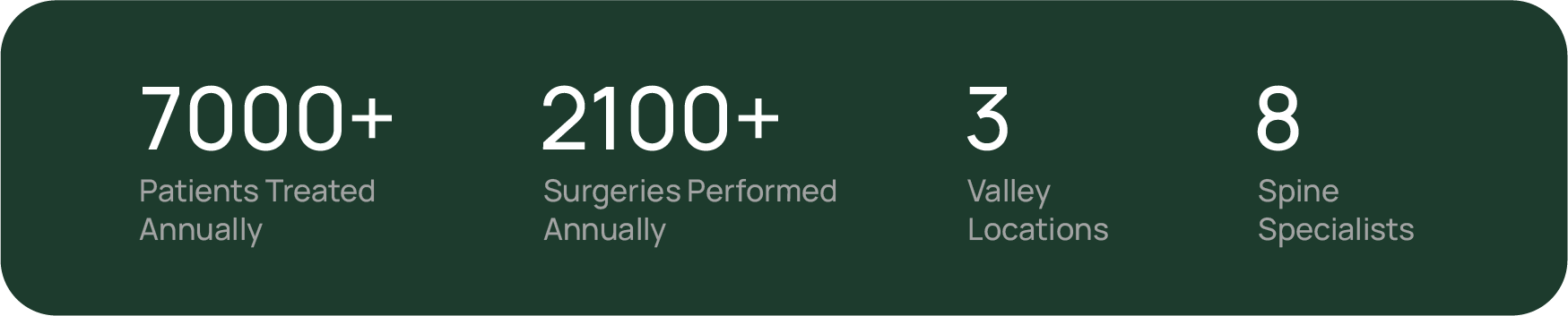
Whether you're seeking a second opinion or exploring treatment options, our fellowship-trained spine specialists are here to help. Schedule a consultation to discuss your symptoms and learn about the treatment options that are right for you.