

Minimally Invasive Deformity Surgery for Scoliosis
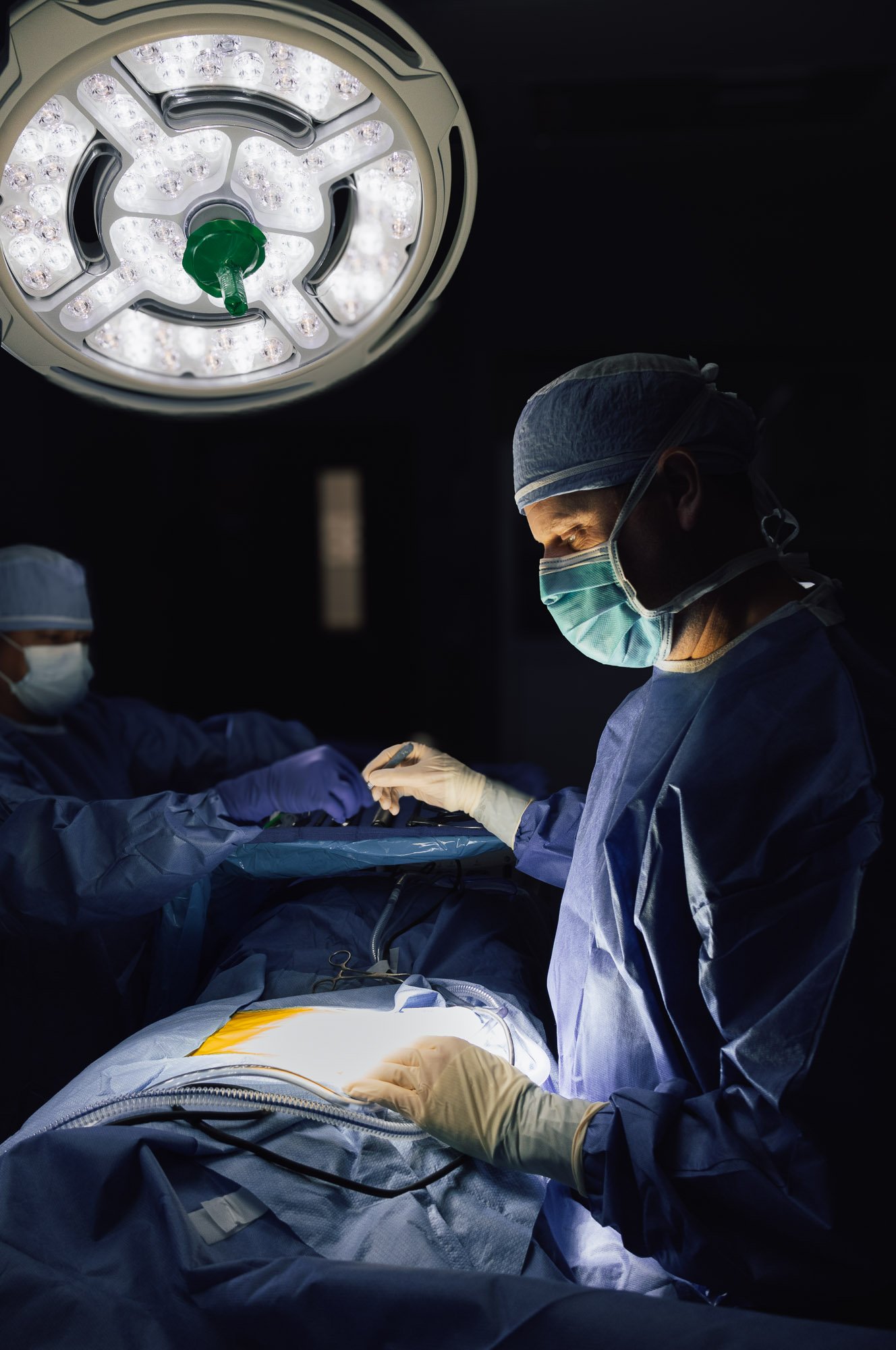
Minimally invasive deformity surgery is designed to correct spinal curvature caused by scoliosis while minimizing disruption to the surrounding muscles and tissues. Using smaller incisions and specialized surgical techniques, this approach helps restore spinal alignment, improve balance, and relieve pain while preserving as much healthy tissue as possible.
During the procedure, your surgeon uses advanced imaging and specialized instruments to precisely place screws and rods that gradually correct and stabilize the spine. Compared to traditional open surgery, minimally invasive techniques are designed to reduce muscle damage, postoperative pain, blood loss, and scarring, while supporting a smoother recovery for appropriately selected patients.
Who Is a Candidate?
Minimally invasive deformity surgery may be recommended for patients with scoliosis or spinal deformity that causes persistent back pain, leg pain, nerve compression, or difficulty standing and walking. Surgery is typically considered when conservative treatments, such as physical therapy, medications, and spinal injections, have not provided lasting relief or when the spinal curvature continues to progress.
This procedure may be recommended for patients with:
Benefits
Minimally invasive deformity surgery offers several potential benefits for appropriately selected patients, including:
Smaller incisions with less visible scarring
Reduced muscle and soft tissue disruption compared to traditional open surgery
Less blood loss during surgery
Shorter hospital stay and a faster recovery for many patients
Corrects spinal alignment and provides long-term spinal stability
Lower risk of infection and certain surgical complications
Preserves surrounding muscles and ligaments whenever possible
Improves pain, function, and overall quality of life for many patients
Road to Recovery
Recovery after minimally invasive scoliosis surgery is gradual and focuses on restoring mobility while allowing the spine to heal and fuse properly. Your surgeon will provide personalized guidance throughout your recovery to help you safely return to your daily activities.
What to Expect
Hospital stay: Typically 3–5 days, depending on the number of spinal levels treated
Walking: Encouraged as early as the day after surgery
Physical therapy: Usually begins within a few weeks to restore strength, flexibility, and mobility
Light activities: May resume within 4–6 weeks, as directed by your surgeon
Strenuous activities: Gradually return over 3–6 months
Fusion timeline: Complete bone fusion typically occurs within 6–12 months
Follow-up care: Regular appointments and imaging help monitor healing, hardware placement, and spinal alignment
Ready to Take the Next Step?
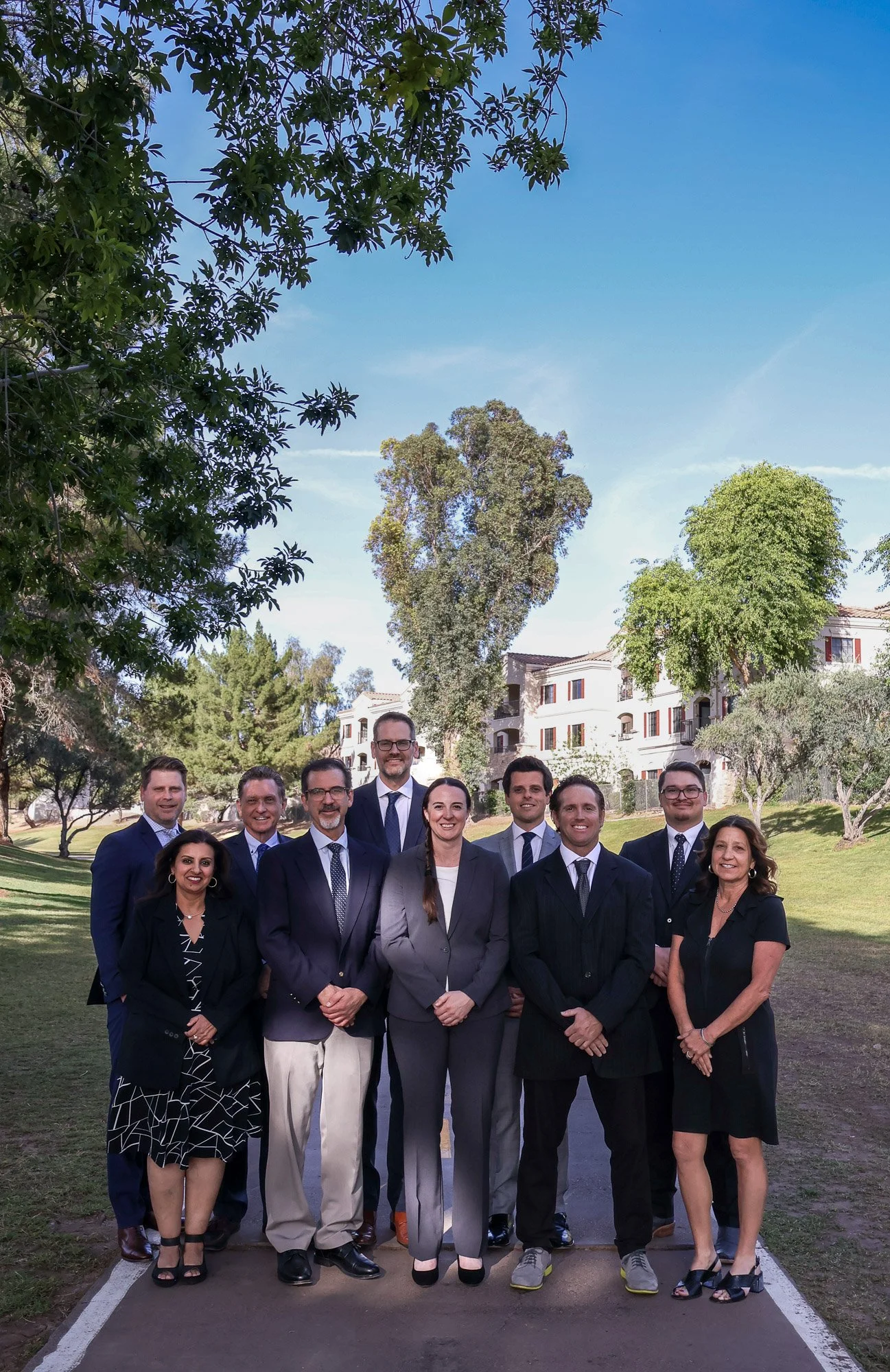
Whether you're seeking a second opinion or exploring treatment options, our fellowship-trained spine specialists are here to help. Schedule a consultation to discuss your symptoms and learn about the treatment options that are right for you.