

Posterior Cervical Fusion
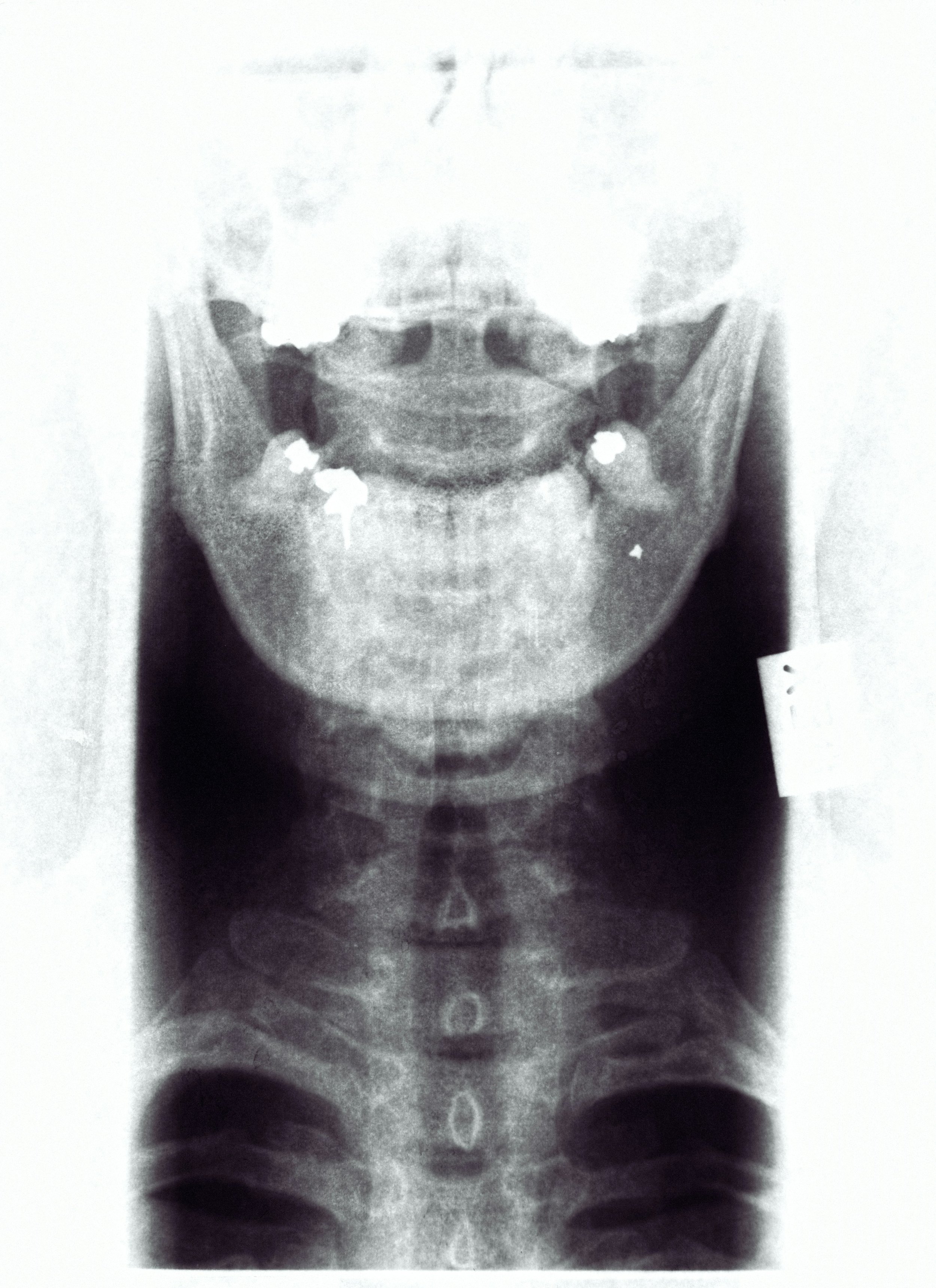
Posterior cervical decompression and fusion (PCDF) is a procedure performed through the back of the neck to relieve pressure on the spinal cord and nerve roots while restoring stability to the cervical spine. Depending on the underlying condition, your surgeon may remove a portion of the bone (lamina) or enlarge the openings where the nerves exit the spine (foraminotomy) to create more space and relieve compression. When additional stability is needed, the affected vertebrae are fused together using screws, rods, and a bone graft or bone graft substitute to promote healing. This procedure is commonly performed to relieve pain, numbness, weakness, and other symptoms caused by nerve or spinal cord compression.
Who Is a Candidate?
Posterior cervical decompression and fusion (PCDF) may be recommended for patients with neck pain, arm pain, numbness, weakness, or balance problems caused by compression of the spinal cord or nerve roots. Surgery is typically considered when conservative treatments have not provided lasting relief, or when neurological symptoms continue to worsen or spinal instability is present.
PCDF may be recommended for patients with:
Cervical spinal stenosis
Cervical radiculopathy (pinched nerve)
Cervical spinal instability
Multilevel cervical degenerative disc disease
Certain cervical spine tumors requiring decompression and stabilization
Spinal infections that require decompression and stabilization
Benefits
Posterior cervical decompression and fusion (PCDF) offers several potential benefits for appropriately selected patients, including:
Relieves pressure on the spinal cord and nerve roots
Reduces neck, shoulder, and arm pain
Improves numbness, tingling, and muscle weakness caused by nerve compression
Helps restore hand coordination, balance, and strength
Stabilizes the cervical spine in cases of spinal instability or deformity
Helps prevent further neurological decline
Improves overall function and quality of life for many patients
Road to Recovery
Recovery after posterior cervical decompression and fusion is gradual, with a focus on protecting the cervical spine while the bones heal and fuse together. Your surgeon will provide personalized instructions to help you recover safely and return to your daily activities.
What to Expect
Hospital stay: Typically 1–3 days, depending on the procedure
Early recovery: Neck pain and stiffness are common during the first few weeks and are managed with medication
Neck brace: May be worn for several weeks to support healing
Activity: Walking and light activity are encouraged early, while heavy lifting and sudden neck movements should be avoided
Physical therapy: Often begins 6–12 weeks after surgery to restore strength and mobility
Return to work: Desk work may resume within 2–4 weeks, while physically demanding jobs may require 3–6 months
Long-term healing: Bone fusion continues over 3–12 months, with many patients experiencing lasting pain relief and improved function

Ready to Take the Next Step?
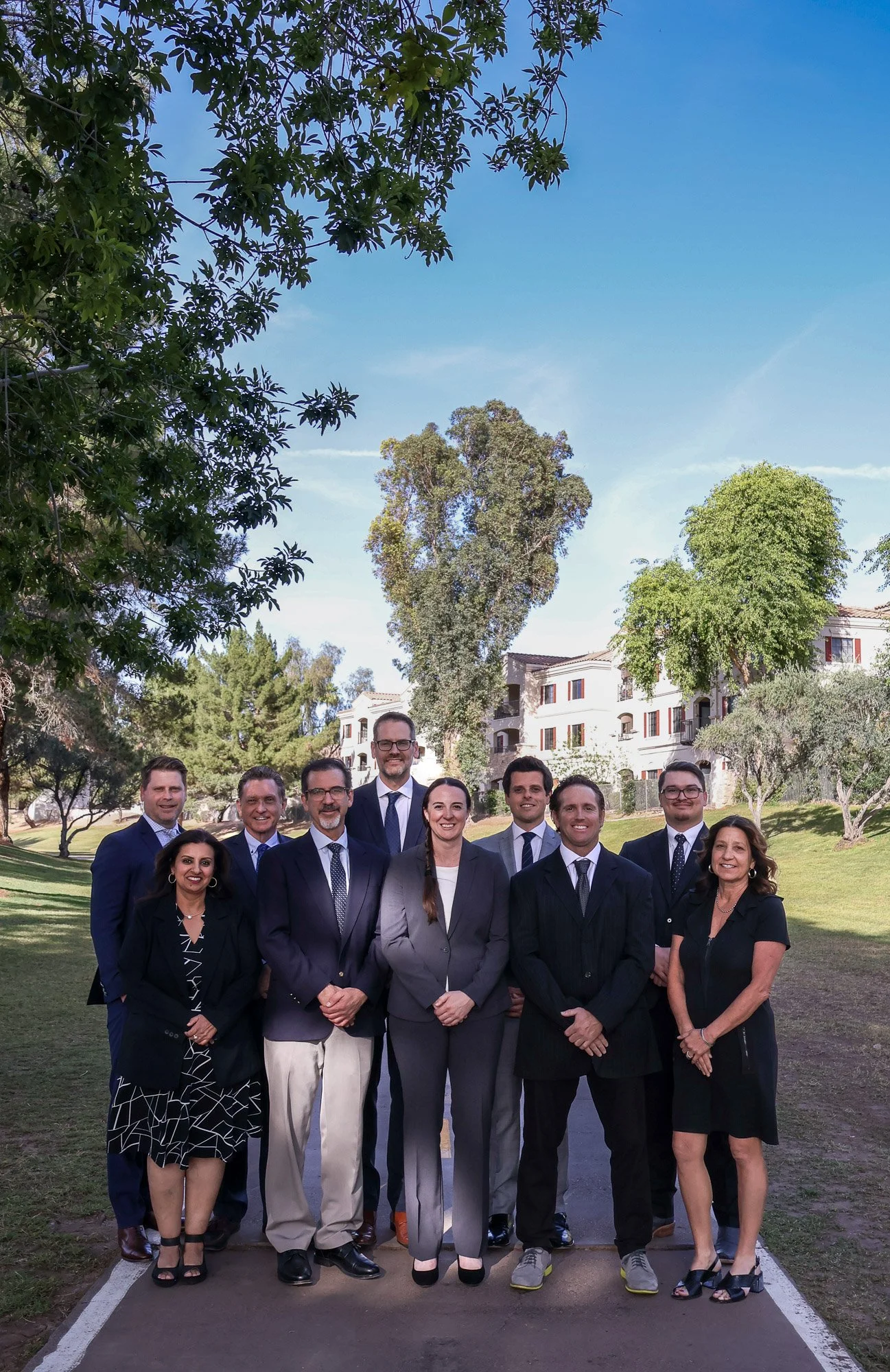
Whether you're seeking a second opinion or exploring treatment options, our fellowship-trained spine specialists are here to help. Schedule a consultation to discuss your symptoms and learn about the treatment options that are right for you.