

Ultra Minimally Invasive
Lumbar Endoscopic Surgery
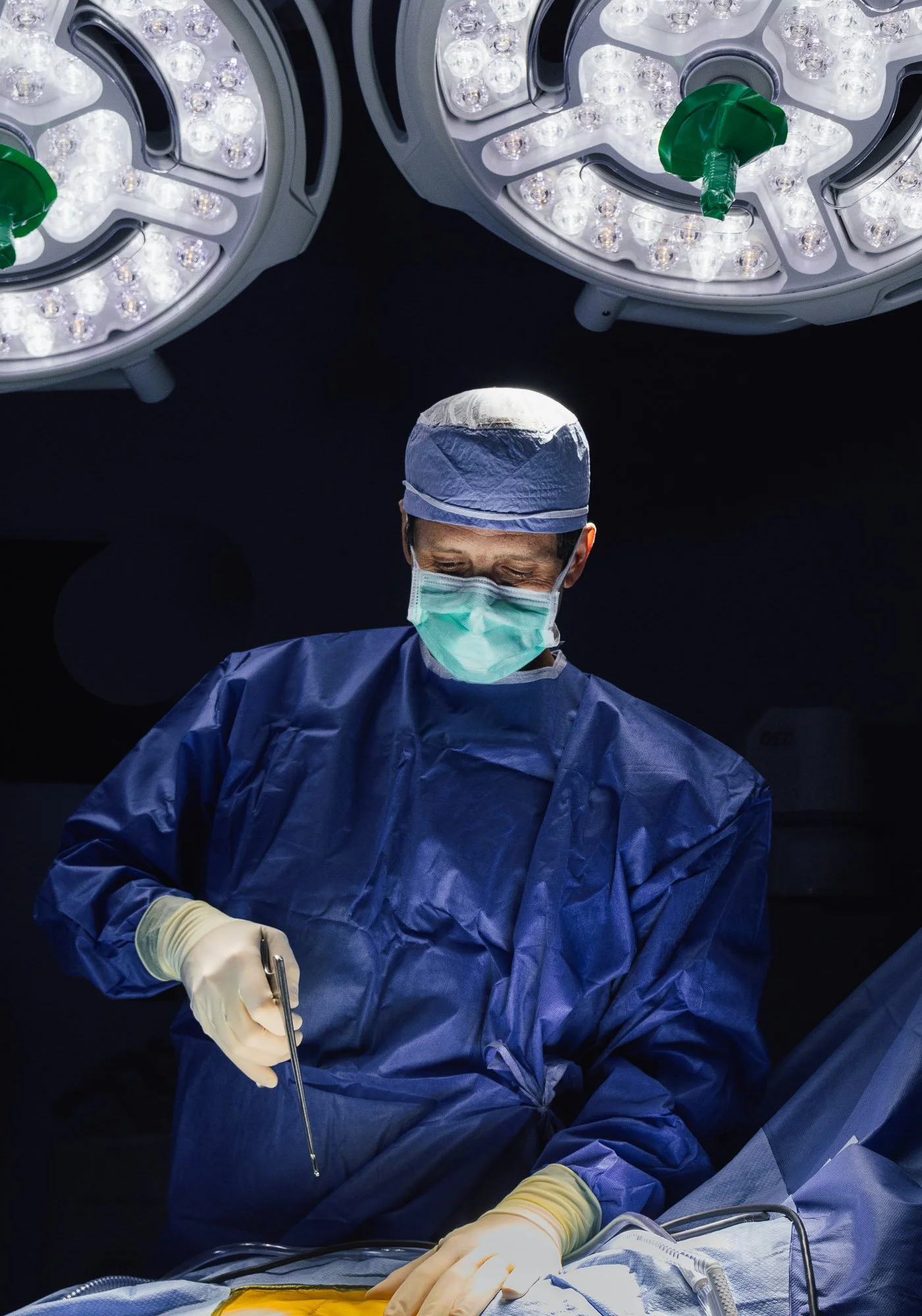
Ultra minimally invasive lumbar endoscopic surgery is an advanced, motion-preserving technique used to treat certain causes of back and leg pain through a very small incision. Using a slender, camera-equipped instrument called an endoscope, your surgeon can clearly visualize and treat the affected area of the spine with minimal disruption to the surrounding muscles and soft tissues.
Compared to traditional open surgery, this approach is designed to reduce tissue damage, postoperative pain, and recovery time while providing effective relief for appropriately selected patients. It is often recommended for individuals with persistent back or leg pain that has not improved with conservative treatments and who are looking to return to their daily activities, work, and hobbies as quickly and safely as possible.
Who Is a Candidate?
Ultra minimally invasive lumbar endoscopic surgery may be an option for patients experiencing persistent back and/or leg symptoms caused by conditions such as:
Herniated discs that are causing nerve compression
Lumbar spinal stenosis leading to nerve irritation or narrowing of the spinal canal
Nerve-related symptoms such as leg pain, numbness, tingling, or weakness
Symptoms that have not improved with non-surgical treatments, such as physical therapy, medications, or injections
Patients who are seeking a less invasive approach with reduced disruption to surrounding muscles and tissues
Your surgeon will evaluate your symptoms, imaging, and overall health to determine whether this technique is the right treatment option for your condition.
Benefits
Ultra minimally invasive lumbar endoscopic surgery offers several potential benefits for appropriately selected patients, including:
Smaller incisions with less visible scarring compared to traditional open spine surgery
Reduced muscle and soft tissue disruption to help preserve surrounding spinal structures
Less postoperative pain due to minimized tissue trauma during surgery
Shorter hospital stays and a faster return to daily activities for many patients
Reduced blood loss compared to traditional open surgical approaches
Faster recovery and rehabilitation allowing patients to resume activities sooner
Preservation of surrounding muscles and ligaments whenever possible
Comparable long-term outcomes for pain relief and functional improvement in appropriately selected patients
Road to Recovery
Recovery after ultra minimally invasive lumbar endoscopic surgery varies depending on the condition being treated and each patient’s individual healing process.
What to Expect
Hospital stay: Many patients can go home the same day or within 24 hours after surgery, depending on the procedure and individual recovery
Pain management: Patients often experience less postoperative pain due to the minimally invasive nature of the procedure
Walking: Light activity and walking are encouraged soon after surgery to support mobility and recovery
Return to activities: Many patients can resume normal daily activities within a few weeks, as directed by their surgeon
Physical therapy: May be recommended to restore strength, flexibility, and mobility during recovery
Full recovery: Complete healing may take several months depending on the procedure performed and the patient’s overall health
Follow-up care: Regular appointments help monitor healing and ensure a successful recovery
Ready to Take the Next Step?
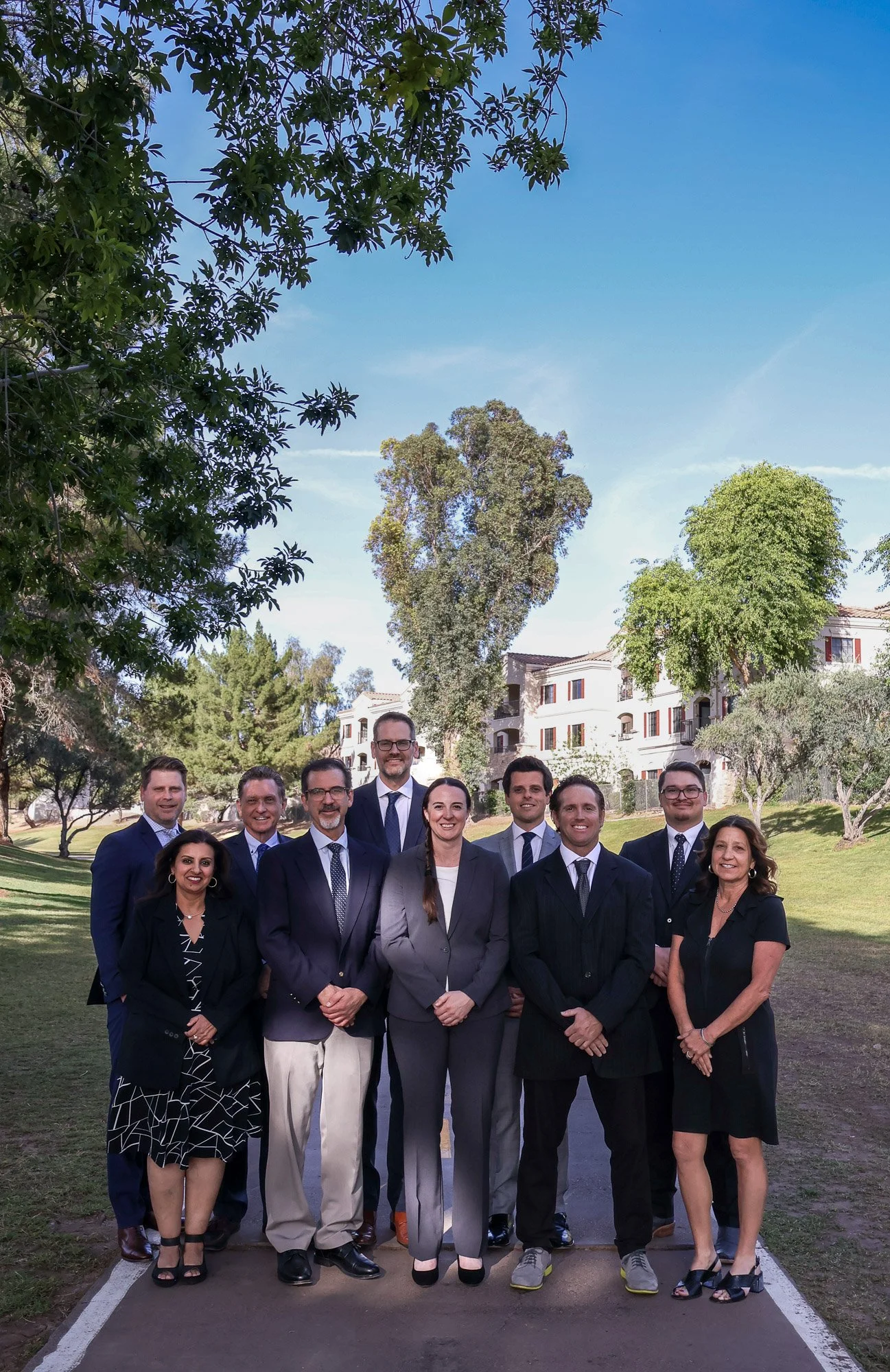
Whether you're seeking a second opinion or exploring treatment options, our fellowship-trained spine specialists are here to help. Schedule a consultation to discuss your symptoms and learn about the treatment options that are right for you.