

Advanced Pain Procedures
Advanced pain procedures are minimally invasive treatments designed for patients with chronic spine-related pain that has not responded to conservative therapies such as medications, physical therapy, or injections. These procedures target the source of pain using innovative techniques to improve function, reduce discomfort, and help patients return to their daily activities.
Treatment Options
Intracept® Procedure
Spinal Cord Stimulation
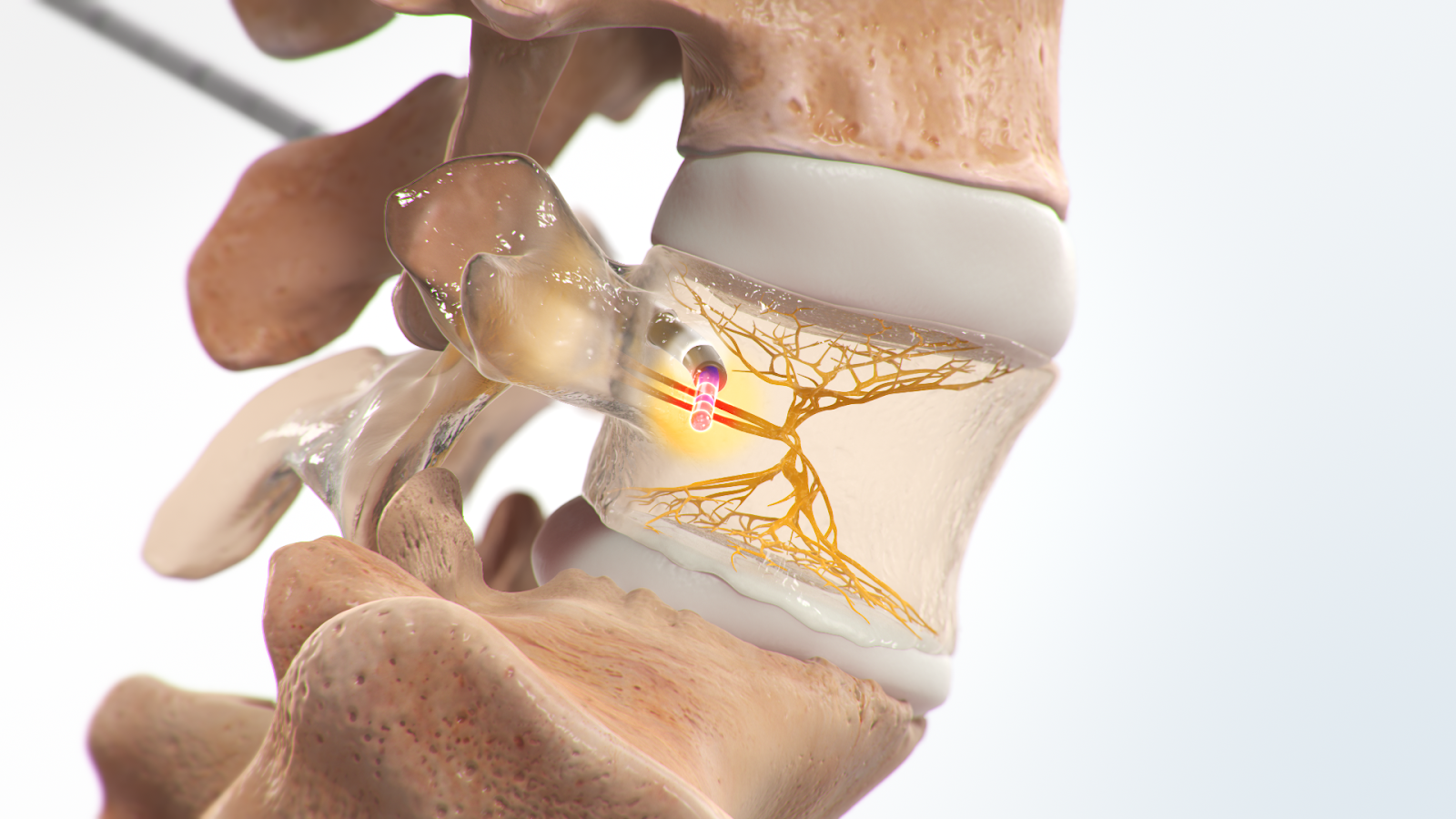
Intracept Procedure
Overview: this procedure is a minimally invasive, image-guided treatment designed to relieve chronic low back pain that originates from the vertebral endplates-vertebrogenic pain. It targets the basivertebral nerve (BVN), a small nerve that transmits pain signals with radiofrequency energy to deactivate this nerve inside the vertebral body. A small cannula is positioned in the vertebral body, then a radiofrequency probe is inserted to target the basivertibral nerve using targeted thermal ablation to prevent the nerve from transmitting pain signals.
Indications: This is for patients with chronic low back pain unresponsive to PT, injections and medications, with Modic type 1 or type 2 changes as seen on an MRI (commonly L3-S1). This type of axial low back pain presents as deep aching, worse with sitting, bending or prolonged standing.
Benefits:Minimally invasive, performed on an outpatient basis,allows for a rapid recovery. It targets vertebrogenic pain, rather than just symptoms, with results lasting beyond 5 years.
Recovery: Patients return home the same day with mild soreness at the insertion site. Regular activities can resume within a couple of days. Improved pain and function are typically seen after 2-6 weeks.
Caveat: This procedure requires MRI correlation with Modic changes, as it treats pain from the vertebral body, versus discs, facet joints, or nerve compression.
Spinal Cord Stimulator
Spinal cord stimulators consist of thin wires or electrodes placed between the spinal cord and the vertebrae or epidural, and a battery pack or generator placed under the skin. The patient can then send electrical impulses when they feel pain, using an external remote control.
The mechanism behind the pain relief is not clearly understood. It is known that the brain’s sense of pain is altered. The placement of this device is done by a physician with specialized training.

Ready to Take the Next Step?
Whether you're seeking a second opinion or exploring treatment options, our fellowship-trained spine specialists are here to help. Schedule a consultation to discuss your symptoms and learn about the treatment options that are right for you.