

Percutaneous SI Joint Fusion
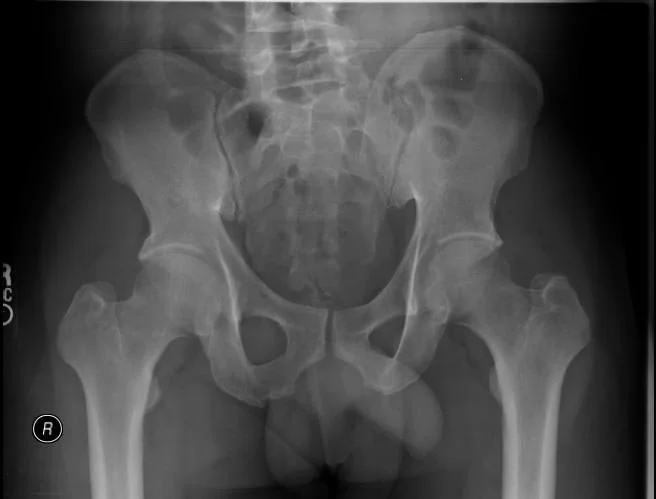
Lumbar total disc replacement (TDR) is a motion-preserving procedure used to treat certain cases of painful disc degeneration in the lumbar spine. During surgery, the damaged intervertebral disc is removed and replaced with an artificial disc implant designed to restore disc height, maintain spinal alignment, and preserve movement at the treated spinal level.
Unlike spinal fusion, which permanently joins the vertebrae together and eliminates motion at the affected segment, TDR is designed to maintain more natural movement in the spine. The procedure is performed through an anterior (front) approach, allowing direct access to the disc space while preserving surrounding spinal structures.
Who Is a Candidate?
Lumbar total disc replacement (TDR) may be an option for carefully selected patients experiencing persistent lower back pain caused by disc degeneration that has not improved with non-surgical treatments, including:
Degenerative disc disease causing chronic lower back pain related to a damaged lumbar disc
Pain limited to one or two disc levels without significant facet joint arthritis
Persistent symptoms despite conservative treatments such as physical therapy, medications, or injections
Patients with preserved spinal stability who do not have significant instability or vertebral slippage (spondylolisthesis)
Patients with healthy bone quality without conditions such as severe osteoporosis that may affect implant stability
Benefits
Lumbar total disc replacement (TDR) offers several potential benefits for appropriately selected patients, including:
Preserves spinal motion by maintaining movement at the treated disc level compared to spinal fusion
Restores disc height and spinal alignment to improve posture, stability, and space for spinal nerves
May reduce stress on adjacent spinal segments by maintaining more natural spinal movement
Provides effective pain relief for many appropriately selected patients with degenerative disc disease
Smaller incision and less muscle disruption through the anterior approach compared to traditional posterior fusion surgery
Maintains surrounding spinal structures by avoiding the need to permanently fuse the treated segment
Road to Recovery
Recovery after lumbar total disc replacement (TDR) focuses on restoring mobility while allowing the body to heal around the artificial disc implant. Because TDR preserves motion and avoids fusion of the treated segment, many patients follow a rehabilitation plan focused on gradually increasing activity and restoring strength. Your surgeon will provide personalized guidance throughout your recovery.
What to Expect
Hospital stay: Typically 1–3 days following surgery, depending on the procedure and individual recovery
Walking: Encouraged soon after surgery to support circulation, mobility, and recovery
Pain management: Some discomfort is expected after surgery and can typically be managed with medication as healing progresses
Physical therapy: May begin within a few weeks to restore strength, flexibility, and core stability
Return to activities: Light activities may resume within a few weeks, with a gradual return to more demanding activities as directed by your surgeon
Activity restrictions: Avoid heavy lifting, bending, and twisting during the early stages of recovery to allow proper healing
Full recovery: Many patients continue improving over several months as strength, mobility, and function are restored


Ready to Take the Next Step?
Whether you're seeking a second opinion or exploring treatment options, our fellowship-trained spine specialists are here to help. Schedule a consultation to discuss your symptoms and learn about the treatment options that are right for you.