
Spring Sports Injury Prevention: Preparing Your Body for the Season
With warmer weather on the way, many people look forward to getting back outside for sports and exercise. Activities like golf, running, tennis, cycling, and team sports become more common in the spring months, but returning to activity after a slower winter season can also increase the risk of injury.
At the Spine Institute of Arizona, we regularly treat sports-related spine and musculoskeletal injuries. Our team uses a multidisciplinary approach to care, helping patients regain mobility, reduce pain, and return safely to the activities they enjoy.
One of the most effective ways to stay healthy during the season is through injury prevention and proper training.
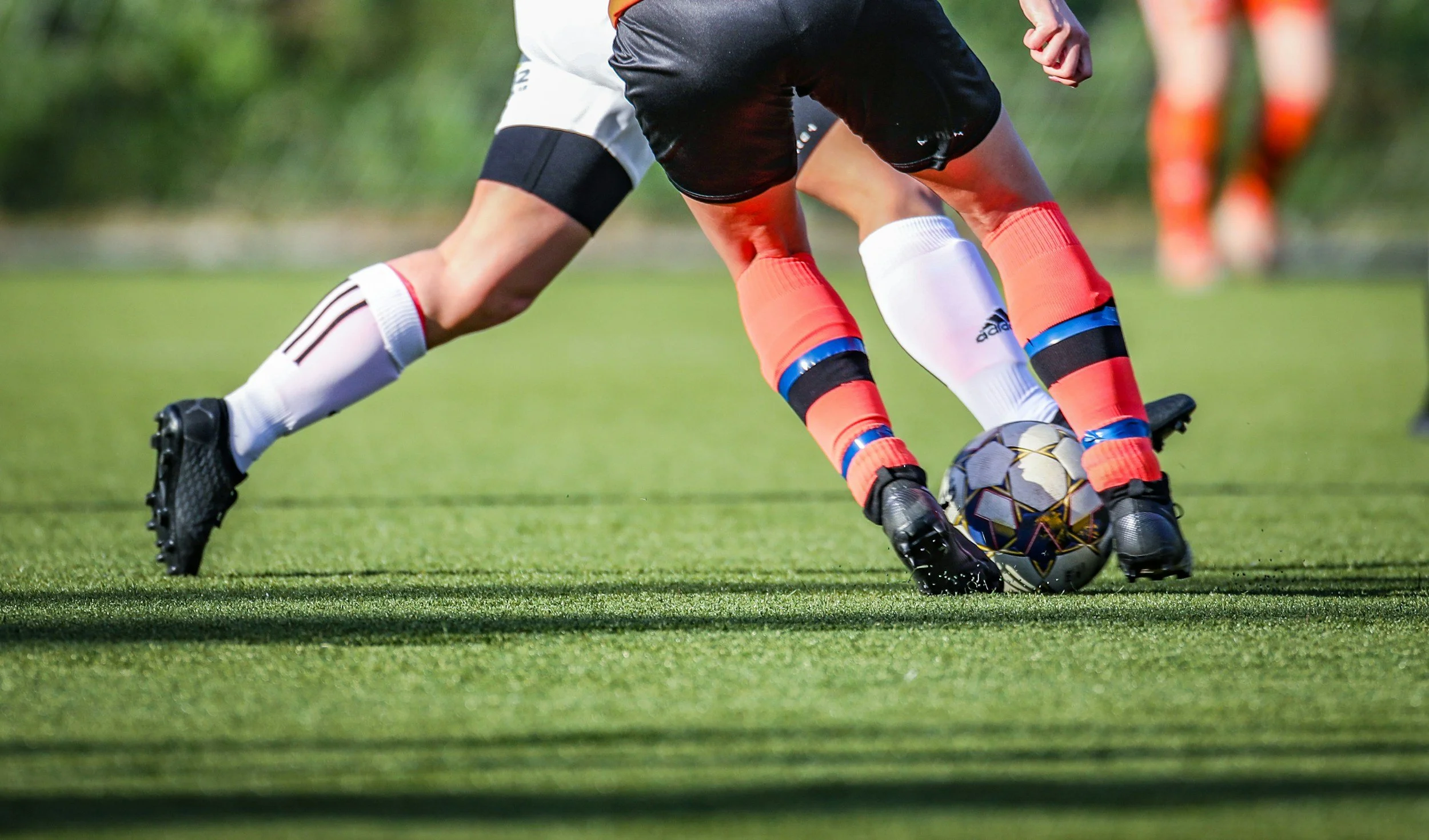
Why Sports Injuries Happen
Even experienced athletes can develop injuries when the body is not fully prepared for the physical demands of a sport. Many injuries occur due to a few common factors:
Lack of conditioning
After time away from activity, muscles and supporting structures may not be strong enough to handle sudden increases in intensity.
Muscular imbalances
When certain muscle groups are stronger or tighter than others, the body compensates during movement, increasing stress on joints and the spine.
Limited joint mobility or range of motion
Poor flexibility or restricted movement in the hips, shoulders, or spine can place extra strain on surrounding tissues.
While not every injury can be prevented, training programs designed specifically for injury prevention—often referred to as “pre-habilitation” or pre-hab—can significantly reduce risk.
What Is Pre-Habilitation?
Pre-habilitation focuses on strengthening muscles, improving joint mobility, and preparing the body for athletic movement before injuries occur.
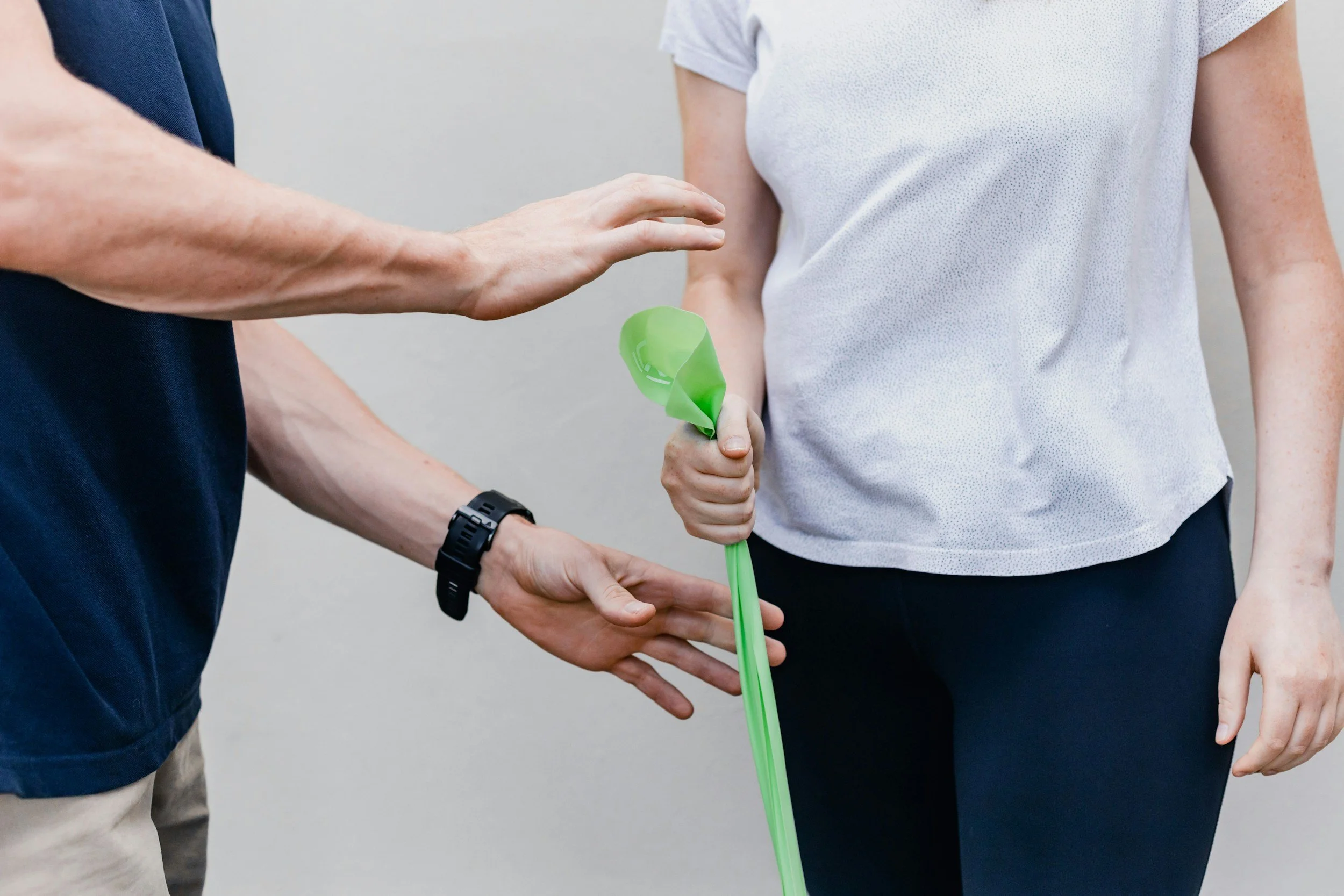
These types of exercises are commonly incorporated into athletic training programs and can help athletes:
Improve joint stability
Increase flexibility and mobility
Correct muscular imbalances
Reduce strain on the spine and surrounding structures
Even recreational athletes can benefit from incorporating simple pre-hab exercises into their routine.
Shoulder Stability Exercises
Sports that involve throwing, swinging, or overhead movement—such as tennis, baseball, or golf—can place significant stress on the shoulders and upper spine.
Two simple exercises that may help strengthen the shoulder capsule include:
Internal and External Rotation
Using resistance bands looped under your feet, hold your upper arms parallel to the ground. Rotate your hands downward so they align with your elbows, then rotate back up while maintaining steady tension in the band. Perform three sets of 12–15 repetitions two to three times per week.
Cuban Press
Hold resistance bands or light dumbbells at your sides, pinch your shoulder blades back, and pull the weight upward until your upper arms are parallel to the ground. Maintain controlled movement and tension throughout the exercise. Perform three sets of 12–15 repetitions three times per week.
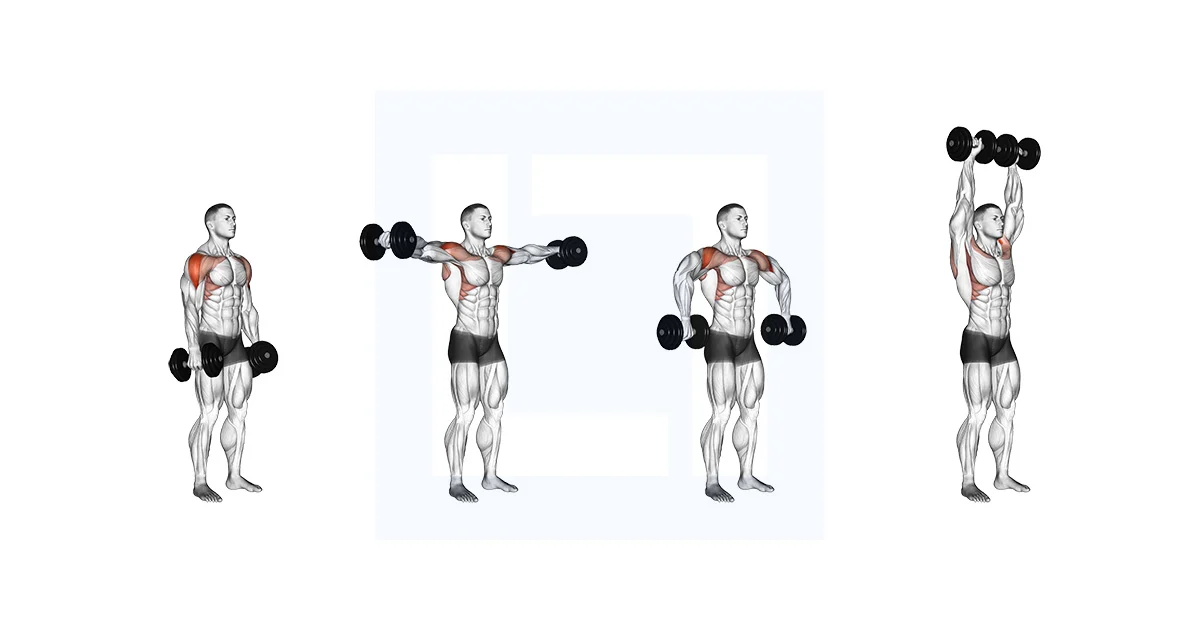
Cuban Press
Hip and Lower Body Mobility
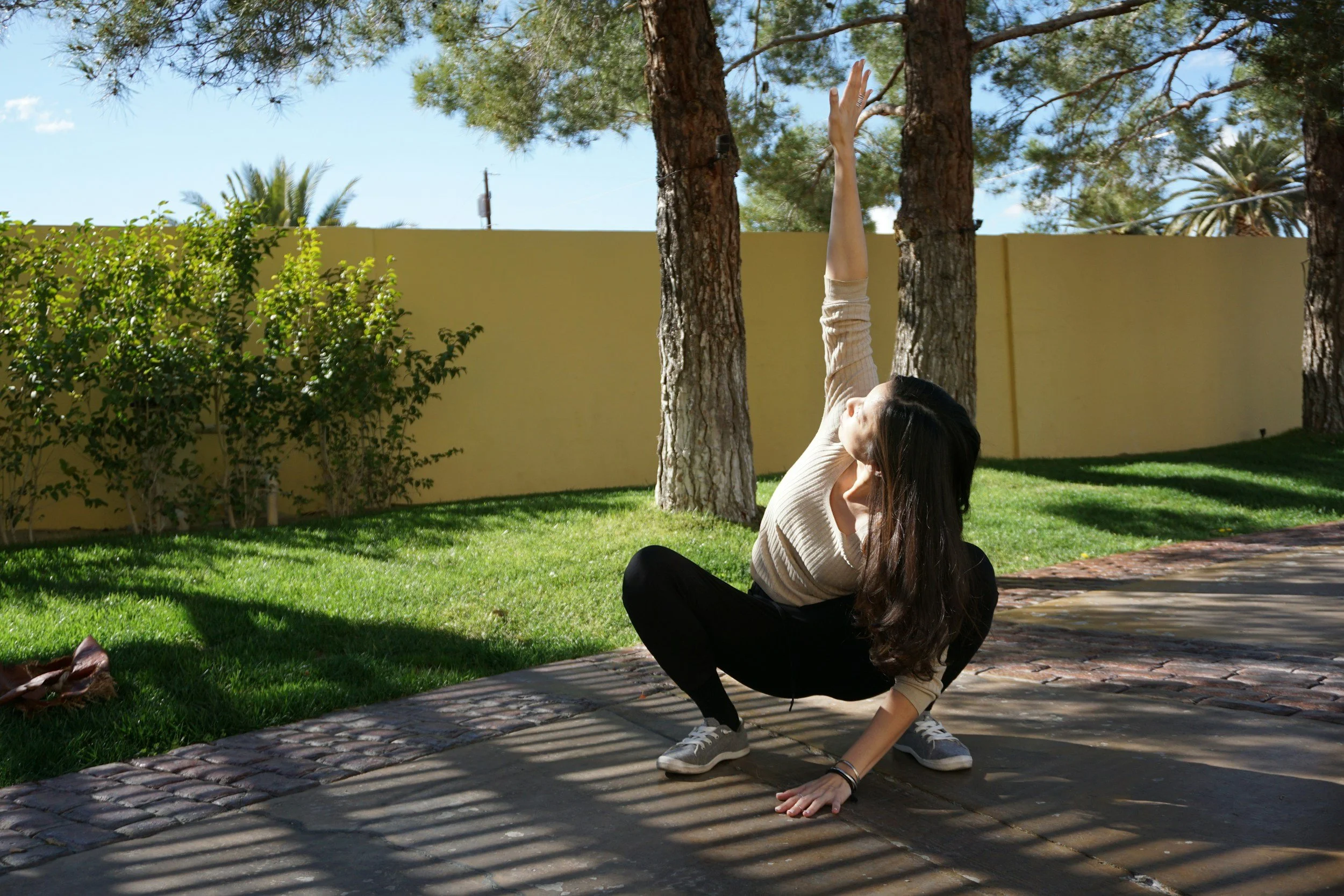
The hips and lower body play a critical role in supporting the spine during athletic movement. Limited hip mobility or weak lower-body muscles can increase stress on the lower back.
Many training programs use hurdle mobility drills to improve dynamic range of motion and coordination. These drills typically involve stepping, crossing, or ducking under hurdles to encourage controlled movement through the hips and legs.
Examples include:
Side step overs where athletes move laterally over hurdles while maintaining balance and control
Front step overs where athletes lift their knees over hurdles to promote hip mobility
Duck-under drills where athletes move under hurdles in a squat position to strengthen the hips and improve flexibility
These exercises are typically performed in short sets while maintaining proper posture and staying light on the feet.
Train Smart and Stay Consistent
Consistent conditioning, mobility training, and proper technique can go a long way in preventing sports injuries. Gradually increasing activity levels and incorporating strength and flexibility exercises helps prepare the body for the demands of competition.
As the saying goes in athletics: “You can’t help your team if you’re in street clothes.” Staying proactive with injury prevention allows athletes to stay active and perform at their best throughout the season.
When to Seek Medical Care
If you experience persistent back, neck, or joint pain during sports or exercise, it’s important to have it evaluated. Early treatment can prevent minor injuries from becoming more serious problems.
At the Spine Institute of Arizona, our specialists provide comprehensive care for spine-related conditions using both surgical and non-surgical treatment options. Our goal is to help patients return to their normal activities safely and comfortably.
Portions of this article were adapted from original educational content published on active.com.
